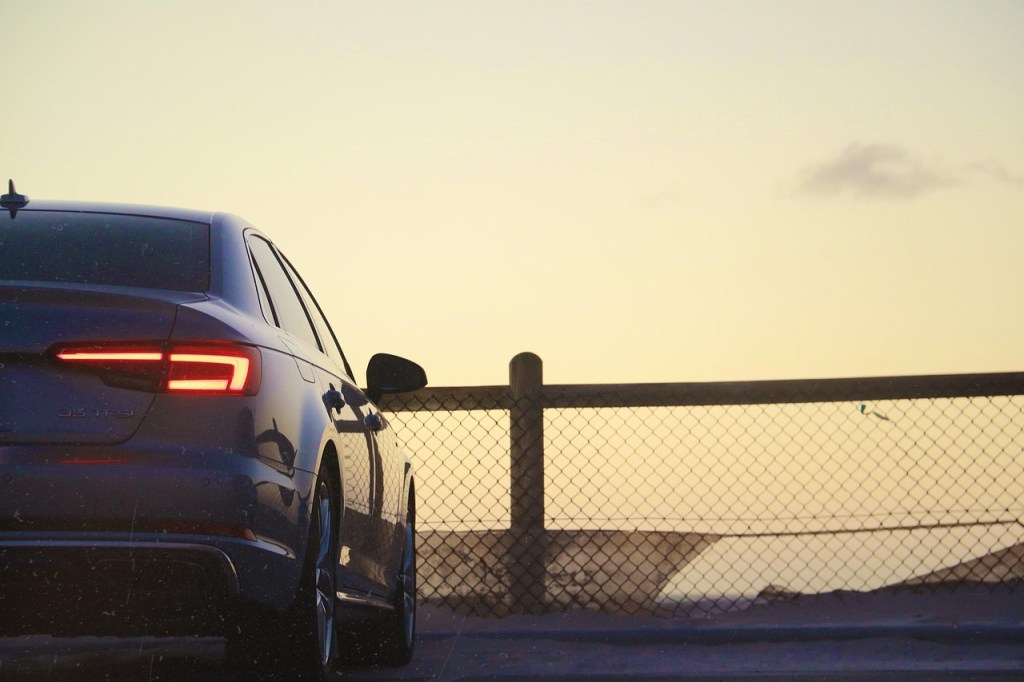
Parked Car Conversations have taught me more about myself and others than any therapy chair ever could.
I have had some of the deepest conversations I never knew I needed to have in parked cars—where time can be forgotten, and the good tunes eventually fade as words become the loudest.
I’ve cried tears, I’ve said goodbyes I didn’t want to say, I’ve shared secrets, I’ve laughed until I almost peed myself. I’ve shared oh-so-delicious cheap food, I’ve lied, and I’ve been honest more than I needed to be.
I’ve kissed, and I may have done a little more (I’ll leave that there, as my mother might be reading).
I’ve gotten to know people—how they really feel, what they were going through, and why they did what they did. I have helped, and I have been helped so, so many times.
I’ve listened, I’ve talked, and I’ve sat in silence until it all made sense.
A parked car conversation can grow a relationship like almost nothing else can. Just you and them, them and you. Car on, car off—sooner or later, the passersby don’t matter.
All my life, I have treasured friendship. Even when I have pushed people away with my black dog, I have ached for friendship—I hate being alone.
In a world that moves so fast, with so many distractions—time, work, grudges, anger, and confusion—it’s hard to have that real conversation, the one that needs to be had for you or for them or for both of you.
Give me that parked conversation any day, any night.
The Ride Home – A Sports Parent
Coaching basketball for 20 years, I learned something routine that can make a huge difference in development. On the car ride home from practice or a game, sports parents can either destroy a relationship with their child or foster trust and create openness.
I rarely turn down an opportunity to give my kids rides to and from anywhere. “Just call me,” I say. They say, “Thanks for giving me a ride, Dad.” In my head, I say, “No, I am thanking you.”
These rides, and how I have adapted through my experiences and mistakes, have led me to this practice (no pun intended):
I don’t ask many questions—barely any at all. I play some old tunes from my day for them, some classics. They like some, but primarily detest the majority of what I play. I kind of get a kick out of that part.
I crack my usual amount of dad jokes—I have to keep working on my game; you never know when that standup career might happen.
My goal is to give them room to talk. If they want to be in silence, I let them be. My responsibility is to be present and ready for when they want to talk. And when they do decide to talk, my duty isn’t to correct them right away, even if I have to fight the urge.
My advice to you: Let them talk. Let them know you will listen, and that they are free from judgment. Then, when they have said all they need to (you will know—usually by the drop of their shoulders after getting it all out), then it’s your time to talk—to show you understand and how you can help them.
This “knowledge” did not come easily or quickly.
The Player Who Would Not Speak

No finer example springs to mind than 17 years ago when I was a young assistant high school basketball coach. I prided myself on having a great relationship with almost all of our team. I was the cool coach—wait… okay, in my head, I was. I was a good listener, and I was genuinely interested in their lives. People like that.
I started giving a player I didn’t know that well a ride home from practice, as I found out he lived nearby. He was quiet, but not timid. I could even describe him as a bit melancholy.
The first few 30-minute rides home after two hours of practice, we spoke about basketball and the NBA—he liked the Los Angeles Lakers, I remember. I could talk ball with the best of them. But then, after a few weeks, I noticed he wouldn’t say much on the rides. He would stare out the window. I would ask, “Everything okay?” and he would mumble, “Yeah,” without looking at me.
I would try to spark up a conversation about the Lakers or practice, or put on music I knew he liked. I said to myself, “Shit, something must be wrong. Something must have happened.” I began to panic, thinking of ways to bring him out of his shell once more—Paul, the player whisperer!
He wasn’t interested in anything I had to offer. It really started to bother me that he wouldn’t talk. In fact, I started to feel resentful on the rides—at him.
“You ungrateful, rude little shit,” I would think—well, he was 6’7”, so not so little.
Eventually, I had had enough. Ten minutes into our 30-minute commute (poorly timed), I said, “Why don’t you talk anymore?”
He looked right at me and said, “Do I have to?”
Keeping my eyes on the road, I said, “What kind of answer is that? No, you don’t have to, but it would be nice or polite.”
He said, “Coach, I get up at 5 a.m., take a bus and then the metro to school, have my school day, study hall, film session, and then practice for two hours. Then we drive home… I’m tired.”
I felt awful. Here I was, thinking about myself and what I thought he needed from me—never thinking to just actually ask him. He was getting what he needed—silence. And here I was, trying to mess it up!
We all need our silence, our mental alone time. Knowing this newfound information, I became re-energized. I could give him this. I could be a resting space for him.
I told him how awkward it was for me and asked if we could just check in and chat for the first five minutes of the drive when he first got in the car.
He laughed and said, “Of course, Coach.”
We ended up having a great relationship and remain friends to this day.
Maybe I should have parked the car so we could have talked more. Lol.





 thoughts of scob
Leave a comment